
Find event interpreters, translators and accessibility support
From simultaneous interpreting and multilingual presenters to live captioning and interpretation equipment, find professionals who can help your event communicate clearly across languages and accessibility needs. Tell us what you’re planning and let relevant interpreting, translation and accessibility professionals discover your request.
Create a request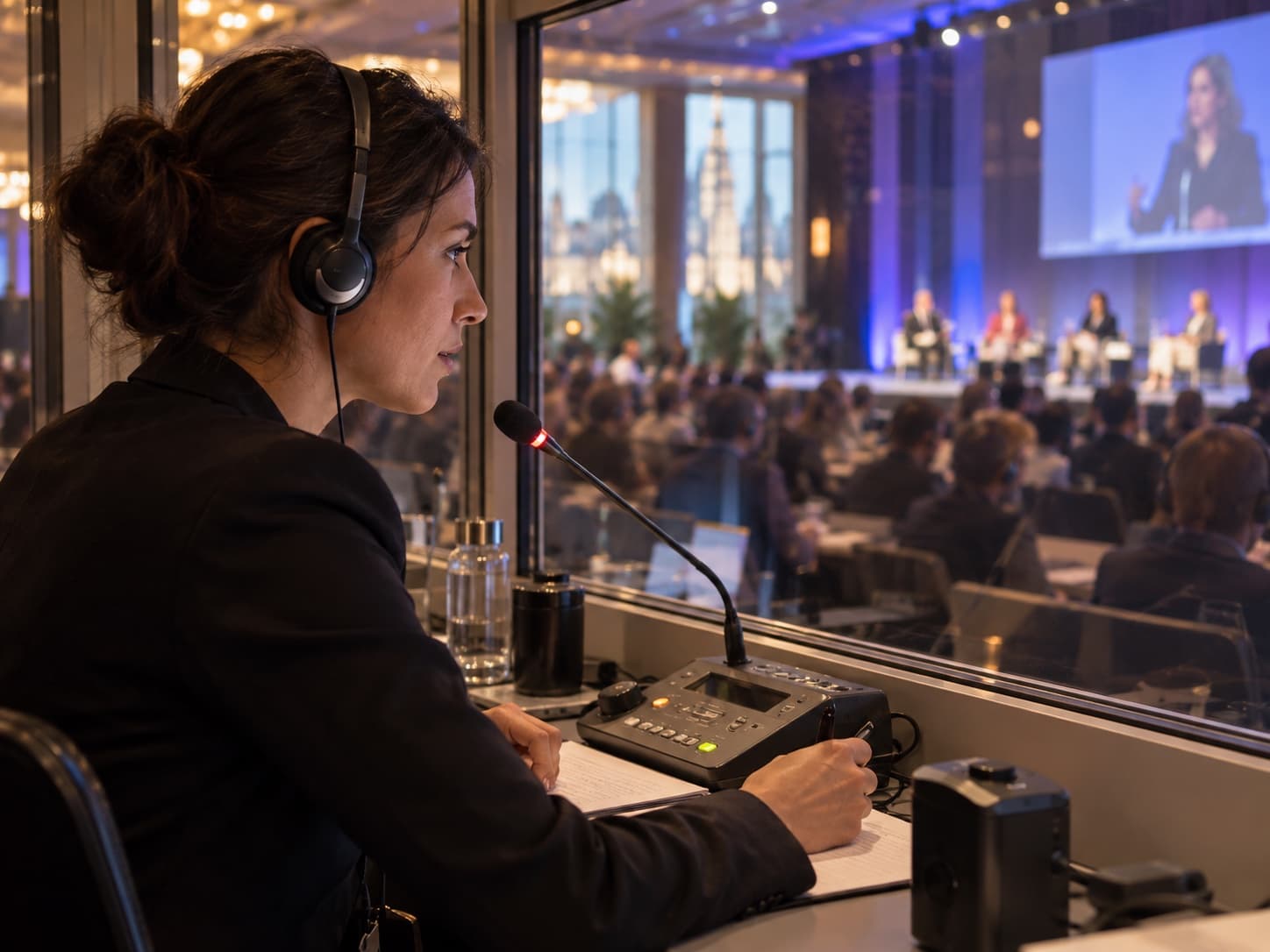
How to plan interpreting, translation and accessible participation
Begin with the languages and participation needs of your audience, then match the service to the programme. Spoken interpreting, written translation, sign-language interpreting and live captions serve different purposes. Agree the professional support, preparation materials and technical setup together so guests can follow the parts of the event that matter to them.
Specify languages, audience and session coverage
List source and target languages, interpreting direction, audience size and the sessions requiring support. Explain whether the event is on site, online or hybrid, and include panels, audience questions and parallel rooms.
Ask the professional which interpreting format and team suit the subject, duration and schedule. Allow time for consecutive interpreting and agree breaks, handovers and any sessions outside the main programme.
Prepare speakers and written materials
Provide the programme, speaker names, slides and relevant terminology early enough for preparation. Agree when final files are due and how last-minute changes are communicated.
For written translation, specify documents, languages, word counts, formats and publication deadlines. Agree review, terminology, layout checks and who approves the final version before printing or publishing.
Coordinate interpreting equipment and hybrid delivery
Confirm booths, microphones, receivers, language channels and operator support with the venue and technical team. Check sightlines, audio feeds, equipment distribution and return arrangements rather than assuming a venue system covers every language.
For remote participants, agree the platform, interpreting channels, caption display and speaker audio. Schedule a test and confirm who resolves connection or sound problems during the event.
Plan accessibility around participants’ needs
Ask participants what support helps them take part and explain the arrangements available. Specify the sign language required, caption languages and the sessions to cover; do not assume that one service meets every accessibility need.
Coordinate interpreter visibility, readable captions, microphones for questions, venue access and quieter spaces. Agree how staff explain these arrangements and who handles support requests. A quiet space complements other measures rather than replacing them.
Compare scope, preparation and technical support
Check language combinations, session hours, team size, preparation, translation revisions and equipment. Confirm technicians, travel, applicable taxes, overtime, recording or caption-file delivery, changes and cancellation terms.
Create one free PlanEvents request with your country, city, date, audience, languages, programme and support needs. Add venue, technical production or staffing to the same request; interested professionals can contact you directly.
How PlanEvents works
- 01
Tell us what you need
Describe your event and the interpreting, translation or accessibility services you’re looking for.
- 02
Relevant professionals discover your request
Your request is shown to relevant professionals based on the services you need and your event location.
- 03
Get contacted
Interested professionals can contact you directly to discuss your languages, requirements and their offer.
Planning for an international audience?
Language and accessibility may be only one part of delivering an event for a diverse audience.
With PlanEvents, the same request can include AV and conference technology, a venue, catering, photography and livestreaming, event staff, transport and other services.
Coordinate sound, language channels and caption displays · Check venue access and interpreting spaces · Brief reception staff on guest support · Coordinate session timings and speaker preparation
One event. One request. The professionals you need.A practical guide to providing a quiet space
Consider a quiet space as one part of your event’s wider accessibility arrangements.
Questions about interpreting, translation & accessibility
What should I include in an interpreting or translation request?
Include country, city, date, event format, audience size, source and target languages, session timetable and approximate budget. Specify the subject, interpreting direction, documents, accessibility needs and existing technical equipment.
What is the difference between simultaneous and consecutive interpreting?
Simultaneous interpreting follows the speaker while they continue, usually with a listening system or online language channels. Consecutive interpreting happens during pauses and needs time in the programme. Ask the professional which format suits your event.
How many interpreters do I need?
The team depends on languages, direction, session duration, parallel rooms, subject and interpreting format. Share the full schedule and ask the provider to propose staffing, breaks and handovers rather than assuming one interpreter can cover every session.
Can I request interpreters and equipment together?
Yes. Include booths, interpreting systems, headsets, receivers and technical support in the same request. Confirm which provider supplies each part, installation, testing and on-site operation.
Can I arrange interpreting for an online or hybrid event?
Yes. Describe how on-site and remote participants will speak, listen and ask questions. Agree platform compatibility, language channels, microphones, captions and support, then test the setup with the relevant teams.
What should I specify for sign-language interpreting or live captions?
Identify the sign language or caption languages your audience needs, sessions, room layout and remote participation. Agree interpreter sightlines, lighting, caption display, staffing and any recording or transcript delivery with the professional.
Which materials should I send for preparation or translation?
Share the programme, slides, speaker information and specialist terms by the agreed deadline. For written translation, provide final source files, word counts, intended audience and output format. Agree reviews and how revised files are handled.
What should an interpreting, translation or accessibility offer include?
Check languages, sessions, personnel, preparation, equipment, technical support and deliverables. Confirm travel, applicable taxes, overtime, revisions, recording arrangements, changes and cancellation terms. Check venue and participant arrangements separately where needed.
Does PlanEvents provide interpreters or guarantee event accessibility?
No. PlanEvents connects organisers with relevant independent professionals and businesses across Europe. Creating a request is free. You agree availability, scope and bookings directly with the professional, and coordinate accessibility arrangements with participants, the venue and providers.
Make every voice part of the event.
Tell us what you’re planning and let relevant interpreting, translation and accessibility professionals discover your request.